ACL injury recovery | physiotherapy for ACL tear | ACL surgery recovery
The anterior cruciate ligament (ACL) is one of the most vital stabilising ligaments of the knee joint. It connects the thigh bone (femur) to the shin bone (tibia) and plays a crucial role in maintaining knee stability during activities like running, jumping, or quickly changing direction.
Unfortunately, ACL injuries are among the most common and serious knee injuries, especially in athletes, sports enthusiasts, and even active individuals. A sudden twist, awkward landing, or collision can lead to a partial or complete ACL tear—causing pain, swelling, and instability that can make even simple movements difficult.
Recovering from an ACL injury is not just about healing the torn ligament—it’s about regaining full strength, stability, and confidence in your knee. Without proper rehabilitation, patients risk chronic knee weakness, re-injury, or even early joint degeneration. That’s why physiotherapy plays an irreplaceable role in a successful ACL recovery journey.
Physiotherapy is more than a set of exercises; it’s a science-based approach designed to help you heal stronger and return to your daily activities safely. Whether you have undergone ACL reconstruction surgery or are managing a partial tear non-surgically, a structured physiotherapy program is essential.
Through targeted techniques—like manual therapy, strengthening exercises, proprioceptive training, and progressive mobility work—physiotherapists guide your body through every stage of recovery.
In the early days after injury or surgery, physiotherapy focuses on controlling swelling, reducing pain, and restoring knee motion. As you progress, the goal shifts toward rebuilding muscle strength, improving balance, and retraining your body’s movement patterns to protect the new or healing ligament.
Over time, physiotherapy helps you return not only to daily activities but also to high-level performance—whether that’s on the sports field or in your professional life.
At The Physio Fix, we believe recovery is not just about getting back on your feet—it’s about coming back stronger than before. With expert physiotherapists, evidence-based care, and personalised treatment plans, ACL rehabilitation becomes a structured journey toward complete recovery.
Understanding ACL Injury
To truly understand how physiotherapy helps in ACL recovery, it’s essential to first understand what the ACL is, how it functions, and what happens when it gets injured. The more informed you are about your knee, the better you can take control of your healing journey.
What Is the ACL and Why It’s Important
The anterior cruciate ligament (ACL) is one of the four key ligaments that stabilise the knee joint. Located deep inside the joint, it connects the femur (thigh bone) to the tibia (shin bone). The ACL’s primary job is to prevent the tibia from sliding too far forward in relation to the femur and to provide rotational stability during movements like turning, pivoting, and landing.
Every time you play a sport, run, or even walk down the stairs, your ACL works silently to keep your knee stable and aligned. It’s a ligament that constantly resists strain and ensures that your movements remain smooth and coordinated. When the ACL is injured, the knee can lose that vital sense of control—leading to instability, weakness, and reduced confidence in movement.
Common Causes of ACL Injury
ACL injuries usually occur due to sudden or forceful knee movements. Some of the most common causes include:
- Sudden change in direction (pivoting) – Common in sports like football, basketball, and badminton.
- Landing awkwardly after a jump – Seen often in volleyball or basketball players.
- Sudden stop while running at high speed.
- Direct impact or collision – Common in contact sports like rugby or football.
- Twisting injury – When the foot is planted and the upper body rotates forcefully.
While athletes are at higher risk, non-sporting individuals can also suffer an ACL injury from slips, falls, or road traffic accidents.
Symptoms of an ACL Injury
The symptoms of an ACL tear are often immediate and recognizable. Common signs include:
- A “popping” sound or sensation at the moment of injury.
- Severe pain and inability to continue activity right after the incident.
- Swelling that typically appears within a few hours.
- Knee instability, especially when turning or pivoting.
- Reduced range of motion due to pain and swelling.
Many patients describe the feeling as if their knee is “giving way” or unable to hold their weight properly.
Diagnosis: How an ACL Injury Is Confirmed
Diagnosing an ACL tear accurately is crucial to determine the right treatment plan. A qualified physiotherapist or orthopedic specialist begins with a detailed physical examination, followed by diagnostic imaging.
- Clinical Tests:
- Lachman Test: Checks the stability and forward movement of the tibia.
- Anterior Drawer Test: Assesses anterior tibial translation.
- Pivot Shift Test: Detects rotational instability.
- Imaging Tests:
- MRI (Magnetic Resonance Imaging): The gold standard for confirming ACL tears and identifying associated injuries like meniscus or cartilage damage.
- X-ray: Helps rule out bone fractures that might accompany ligament damage.
Types of ACL Injuries
ACL injuries are categorised based on the severity of the ligament damage:
- Grade 1 (Mild Sprain): The ligament fibers are slightly stretched but remain intact. The knee feels stable, and symptoms are mild.
- Grade 2 (Partial Tear): Some of the ligament fibers are torn, causing moderate instability and pain.
- Grade 3 (Complete Tear): The ligament is completely torn or detached from the bone. The knee becomes unstable, and surgery is often required to restore function.
Associated Injuries
In many cases, ACL tears don’t occur in isolation. The force that damages the ACL can also injure surrounding structures, such as:
- Meniscus tears (shock-absorbing cartilage)
- MCL or LCL sprains (collateral ligaments)
- Bone bruises or cartilage damage
These associated injuries often complicate recovery and highlight the need for personalized physiotherapy.
Surgical vs. Non-Surgical Treatment
Not all ACL injuries require surgery. The treatment decision depends on multiple factors such as the severity of the tear, patient’s age, activity level, and functional goals.
- Non-Surgical Management: Suitable for partial tears or patients with low physical demands. Focuses on physiotherapy, muscle strengthening, and stability training.
- Surgical Reconstruction: Recommended for complete tears, athletes, or individuals experiencing instability. Surgery involves replacing the torn ACL with a graft (usually taken from hamstring or patellar tendon).
Regardless of the approach, physiotherapy remains the cornerstone of both conservative and post-surgical management. The structured rehabilitation plan ensures that patients regain knee function safely and effectively.
Why Early Physiotherapy Matters
Starting physiotherapy early—within the first few days after injury or surgery—prevents complications like joint stiffness, muscle wasting, and delayed healing. Physiotherapists focus on restoring mobility, reducing inflammation, and preparing the knee for the next phase of recovery.
In short, understanding your ACL injury is the first step toward reclaiming control over your body. Knowledge, combined with expert physiotherapy guidance, ensures a smooth and confident return to your active lifestyle.
How Physiotherapy Helps in ACL Injury Recovery and Rehabilitation
When it comes to ACL injury recovery, physiotherapy plays the most crucial role in regaining strength, flexibility, and joint stability. Whether you’ve had an ACL reconstruction surgery or are managing a partial tear without surgery, structured physiotherapy is what bridges the gap between injury and complete recovery. It ensures that your knee not only heals—but heals stronger and more stable than before.
At The Physio Fix, our ACL rehabilitation programs are designed to follow evidence-based protocols, tailored to your pain level, stage of recovery, and activity goals. Let’s look at how physiotherapy helps rebuild your knee’s strength, control, and confidence step by step.
1. Early-Stage Goals: Reducing Pain and Swelling
Immediately after an ACL injury or surgery, the knee often becomes swollen, painful, and difficult to move. Early physiotherapy focuses on minimizing these issues and protecting the healing ligament.
Key physiotherapy techniques in this phase include:
- Cryotherapy (Ice Therapy): To reduce inflammation and joint swelling.
- Elevation and compression bandaging: Helps drain fluid and control swelling.
- Gentle range-of-motion exercises: Prevents joint stiffness and promotes blood flow.
- Quadriceps setting exercises: Activates thigh muscles to prevent early atrophy.
The goal in this phase is not to rush movement, but to allow healing tissues to settle while maintaining gentle mobility. A physiotherapist ensures all movements are safe and controlled to protect the new or healing ACL.
2. Regaining Knee Motion and Muscle Control
Once pain and swelling subside, the next phase of ACL injury recovery physiotherapy focuses on restoring normal knee motion and improving neuromuscular control.
Common physiotherapy interventions include:
- Passive and active-assisted knee bending (flexion/extension).
- Stationary cycling or heel slides to promote smooth joint movement.
- Quadriceps and hamstring strengthening exercises using isometric holds.
- Patellar mobilization to prevent knee cap stiffness.
This phase ensures that your knee regains its natural movement pattern while the surrounding muscles start to re-engage. Proper muscle activation helps in joint stability and prepares the knee for higher-level exercises later.
3. Strength Building and Stability Training
As mobility improves, strength training becomes the central focus of ACL rehabilitation. A strong knee depends on powerful muscles around it—especially the quadriceps, hamstrings, glutes, and calves.
Physiotherapy exercises in this phase include:
- Closed kinetic chain exercises (like squats and step-ups) to safely build leg power.
- Resistance band and weight training for progressive muscle strengthening.
- Balance and proprioception drills, such as single-leg stands or wobble board training, to retrain your body’s coordination.
These exercises teach the knee how to respond to quick changes in position or pressure, which is vital for sports and daily activities. Physiotherapists at The Physio Fix continuously monitor form and resistance levels to ensure steady and safe progress.
4. Functional and Sports-Specific Rehabilitation
Once basic strength and stability are restored, the focus shifts toward functional and sport-specific training. This phase of ACL injury recovery physiotherapy prepares the patient for real-life or athletic movements.
Depending on your goals, the physiotherapist designs customized drills that may include:
- Agility training: Side steps, shuttle runs, and cone drills.
- Plyometric exercises: Jumping, landing, and bounding techniques.
- Speed and endurance training: For athletes returning to competition.
- Dynamic stability exercises: Simulate sudden turns, pivots, or decelerations safely.
This stage helps rebuild confidence in knee performance and ensures you can handle high-level activities without re-injury.
5. Physiotherapy After ACL Reconstruction Surgery
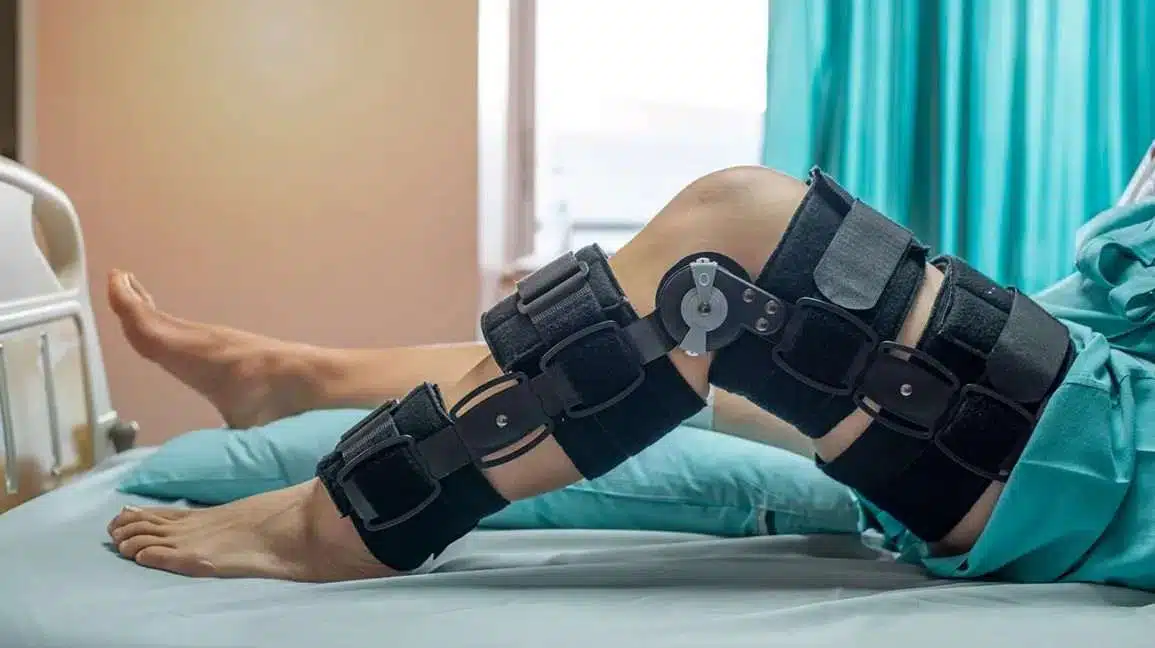
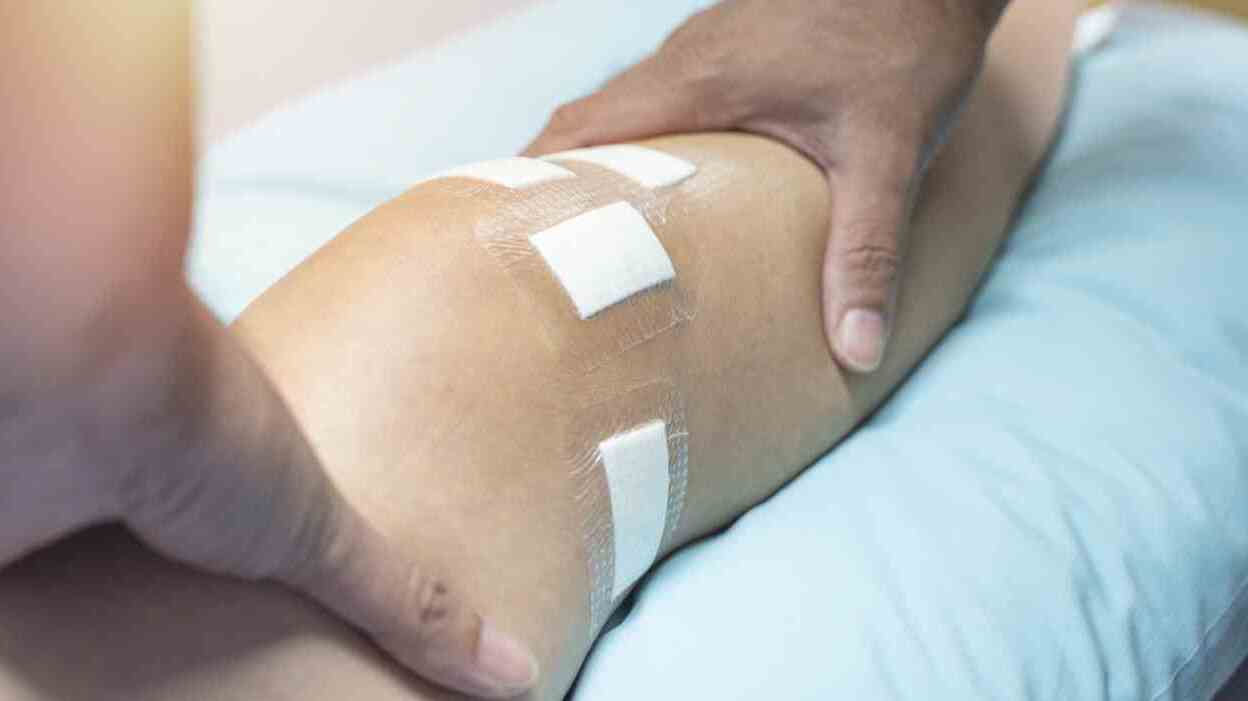
Post-surgical physiotherapy follows a structured, time-based protocol that supports graft healing while restoring function.
- Weeks 1–3: Pain control, swelling reduction, gentle bending up to 90°.
- Weeks 4–6: Full range of motion, muscle strengthening, and partial weight-bearing.
- Weeks 7–12: Dynamic strengthening and balance training.
- 3–6 Months: Plyometrics, jogging, and sports-specific conditioning.
- 6+ Months: Return-to-sport testing and prevention training.
At The Physio Fix, every patient’s post-ACL surgery physiotherapy plan is tailored to graft type, healing rate, and functional needs, ensuring recovery without setbacks.
6. Why Physiotherapy Is Essential for ACL Injury Recovery
Skipping or rushing physiotherapy can lead to:
- Chronic knee instability
- Weakness and muscle imbalance
- Reduced flexibility
- Higher risk of re-injury
- Early-onset arthritis
A structured physiotherapy plan ensures complete and confident recovery. It not only heals your knee but also enhances movement quality, coordination, and joint protection.
7. Personalized ACL Recovery at The Physio Fix
Every ACL injury is different. That’s why our expert physiotherapists at The Physio Fix create individualized recovery programs. Whether you’re an athlete aiming to return to sport or someone looking to regain pain-free mobility, our evidence-based approach ensures a faster and stronger comeback.
We track your progress, adjust exercise intensity, and guide you through every phase until you achieve full functional recovery—because at The Physio Fix, our goal is not just to help you heal but to help you heal stronger.
Phases of ACL Injury Recovery — Step-by-Step Physiotherapy Plan
A successful ACL injury recovery follows a staged progression that balances biological healing with gradual increases in load and function. Progression should be guided by pain, swelling, and objective functional criteria rather than solely by time. Below is a commonly used, evidence-informed phased approach your physiotherapist will adapt to your specific injury, surgery type (if applicable), and goals.
Phase 0 — Prehabilitation (Pre-op when surgery planned)
Why it matters: Patients who arrive to surgery with better knee range of motion, less swelling, and stronger muscles recover faster post-op.
Key goals:
- Reduce swelling and pain.
- Restore near-full knee extension and good flexion (aim >120° if possible).
- Improve quad activation and hamstring strength.
- Educate patient about the rehab timeline and home exercises.
Common interventions:
- Quadriceps sets, straight-leg raises, hamstring isometrics.
- Stationary cycling for gentle ROM.
- Balance drills and gait training.
Phase 1 — Protect & Early Mobility (0–6 weeks post-injury / post-op)
Biology: Graft incorporation (post-op) and reduction of acute inflammatory response are priorities. Movement must be safe but early motion prevents stiffness.
Goals:
- Control pain and effusion (swelling).
- Achieve full active knee extension and gradual flexion progress.
- Restore quadriceps control to prevent atrophy.
- Normalise walking pattern (safe gait).
Typical treatments:
- Cryotherapy, compression, elevation.
- Passive and active-assisted range-of-motion exercises.
- Patellar mobilization and scar management (post-op).
- Isometric strengthening (quads, hamstrings, glute sets).
- Heel slides, supine knee bends, ankle pumps.
Progression criteria to Phase 2:
- Minimal or controlled swelling.
- Ability to perform straight-leg raise without significant extensor lag.
- Pain mostly controlled with short-acting analgesics or none.
Phase 2 — Strength & Control (6–12 weeks)
Biology: Soft tissues progressively strengthen; muscle hypertrophy begins with progressive loading.
Goals:
- Improve quadriceps and hamstring strength.
- Restore full ROM.
- Begin closed-kinetic-chain strengthening (safer for the ACL).
- Enhance proprioception and balance.
Core interventions:
- Mini-squats, leg-press (partial range), step-ups.
- Resistance band work for hips and abductors.
- Single-leg balance, wobble board or foam surface training.
- Gait retraining for normal heel-to-toe pattern.
Progression criteria to Phase 3:
- 80% quadriceps and hamstring strength compared to contralateral side (or steady improvement on objective tests).
- Good single-leg balance for 30–60 seconds.
- Pain-free functional tasks such as walking, basic stairs.
Phase 3 — Dynamic Strength & Neuromuscular Training (3–6 months)
Biology: Neuromuscular re-education is crucial to restore joint protection strategies; plyometric readiness begins later in this window.
Goals:
- Build power and endurance in lower limb muscle groups.
- Improve dynamic stability for cutting, pivoting, and deceleration.
- Restore confidence to perform higher-level daily tasks.
Typical interventions:
- Progressive resistance training (free weights, machines).
- Single-leg squats, lunges, lateral movements.
- Low-level plyometrics: double-leg jumps, controlled landing mechanics.
- Agility ladder drills, shuttle runs at low speed.
Progression criteria to Phase 4:
- Strength >85–90% of the healthy side on objective testing.
- Demonstrated safe landing technique and good control on single-leg tasks.
- Clearance from surgeon/physio for sport-specific training.
Phase 4 — Return-to-Running & Sport-Specific Training (6–9 months)
Biology: Graft continues to mature; neuromuscular patterns must be refined under sport-like loads.
Goals:
- Gradual return to running (initial straight-line progressions).
- Reintroduce cutting, pivoting and acceleration/deceleration drills.
- Test and refine sport-specific skills.
Program elements:
- Graded running program: walk → jog → tempo → sprinting.
- Advanced plyometrics: single-leg hops, bounding.
- High-level agility drills, reactive and unanticipated movements.
- Psychological readiness coaching (confidence training, graded exposure).
Return-to-sport criteria (commonly used):
- Strength tests (isokinetic or manual) show >90% symmetry.
- Hop tests (single hop, triple hop, crossover hop) >90% symmetry on distance and quality.
- No persistent pain or effusion after intense training.
- Passing sport-specific functional tests and clinician clearance.
Phase 5 — Maintenance & Prevention (9 months+)
Long-term focus: Prevent re-injury and reduce the risk of osteoarthritis through continued conditioning.
Goals:
- Maintain strength, flexibility, and neuromuscular control.
- Sport-specific conditioning at pre-injury intensity when safe.
- Incorporate injury prevention exercises into routine training.
Maintenance components:
- Regular strength work (2–3x/week).
- Neuromuscular training drills, landing technique refreshers.
- Ongoing screening and load management strategies.
Best Physiotherapy Exercises for ACL Injury Recovery and Knee Strengthening
A cornerstone of ACL injury recovery is a progressively loaded, evidence-based exercise plan. Below are safe, commonly-prescribed exercises organized by phase. Each exercise should be introduced gradually and monitored by a physiotherapist for technique, pain response, and swelling.
Important: Repetitions, sets and progression depend on individual healing, strength, and surgeon guidance. Start low and progress slowly.
Early-Phase (0–6 weeks) — Low-load/ROM & Activation
- Quadriceps Sets (Short Arc Quads)
- Lying or seated, tighten the front thigh and push the knee down. Hold 5–10 sec. Repeat 10–20 times.
- Straight Leg Raises
- Ensure no extensor lag. 3 sets of 10–15 with slow control.
- Heel Slides
- Supine, slide heel towards buttocks to increase flexion. 10–15 reps.
- Ankle Pumps
- Prevent venous stasis and promote circulation. 20–30 reps frequently.
Strength Phase (6–12 weeks) — Foundation Strength
- Mini Squats (0–30°)
- Controlled descent, focus on knee alignment (avoid valgus). 3 sets of 10–15.
- Straight Leg Deadlift (Romanian) with Light Resistance
- Emphasize hip hinge and glute activation.
- Seated/Prone Hamstring Curls (Light)
- Isolated hamstring strengthening to balance quad dominance.
- Glute Bridges
- Build posterior chain strength; advance to single-leg bridge.
Neuromuscular / Balance (8–16 weeks)
- Single-Leg Stand
- Progress from eyes open to eyes closed, then unstable surface.
- Step-Ups / Step-Downs
- Controlled eccentric control on descents.
- Lateral Band Walks
- Targets hip abductors and stabilizers.
Power & Plyometrics (3–6 months)
- Double-Leg Jumps with Soft Landing
- Emphasize knee flexion on landing, control, and hip-dominant landing pattern.
- Single-Leg Hops (Progressions)
- Start with short hops, focus on landing mechanics before distance.
- Bounding and Skipping Drills
- Develop elastic power and coordination.
Agility & Sport-Specific (6+ months)
- Directional Shuffles & Cuts
- Start slow, build to reactive unplanned cutting.
- Sprint-Deceleration Drills
- Teach safe deceleration mechanics (hip back, knee flexed).
- Reactive Drills (Ball-based or Partner)
- Improve decision-making under physical demands.
Sample Weekly Template (Mid-Phase)
- Day 1: Strength session (quads, glutes, hamstrings), balance drills.
- Day 2: Active recovery, ROM, light cardio (bike).
- Day 3: Neuromuscular training + low-level plyometrics.
- Day 4: Strength session with progression.
- Day 5: Sport-specific drills or supervised agility training.
- Day 6: Endurance/conditioning (light run depending on status).
- Day 7: Rest/recovery + stretching and foam rolling.
Common ACL Recovery Mistakes and How to Avoid Them
Even with the best intentions, several common mistakes can delay ACL injury recovery or increase re-injury risk. Awareness and avoidance of these pitfalls will speed your path to a safe return.
1. Rushing Return to Sport
Why it’s harmful: Returning before the graft and neuromuscular patterns are ready increases re-tear risk substantially.
How to avoid: Use objective criteria (strength symmetry, hop tests, clinician clearance) not just timeline. Gradually reintroduce sport loading.
2. Ignoring the Contralateral Limb
Why it’s harmful: Muscle imbalances occur when the healthy side is neglected, leading to asymmetrical movement and compensations.
How to avoid: Train both limbs; use unilateral strength tests and exercises to restore symmetry.
3. Skipping Neuromuscular & Proprioceptive Training
Why it’s harmful: Strength alone isn’t enough — poor balance and landing mechanics will leave you vulnerable.
How to avoid: Include balance boards, single-leg work, and plyometric training with technique coaching.
4. Doing Too Much Too Soon
Why it’s harmful: Overloading the knee during graft healing causes irritation and setbacks.
How to avoid: Follow guided progression, monitor swelling and pain, and reduce load when symptoms flare.
5. Poor Movement Technique
Why it’s harmful: Valgus collapse (knee caving inward) during squat/jump is a common mechanism for ACL loading.
How to avoid: Emphasize hip and glute activation, coach safe landing technique, and address deficits in hip strength and control.
6. Non-Adherence to Home Program
Why it’s harmful: Physiotherapy is reinforced by consistent home exercises—skipping them slows progress.
How to avoid: Keep exercises simple, schedule short daily sessions, and get accountability through follow-up or digital tools.
Long-Term ACL Injury Recovery — Preventing Re-Injury Through Physiotherapy
Effective ACL injury recovery includes long-term strategies to reduce re-injury risk and maintain joint health.
Continued Strength & Conditioning
- Maintain quadriceps, hamstring, and hip strength with ongoing resistance training (2 sessions/week).
- Address kinetic chain: trunk/core stability influences knee mechanics—include core programs.
Neuromuscular Warm-Up Programs
- Implement dynamic warm-up routines (e.g., FIFA 11+, PEP program adaptations) before sports participation to prime neuromuscular control.
- Include plyometric, balance, and agility elements every training session to reinforce safe mechanics.
Load Management & Gradual Return
- Even after clearance, monitor training load increments carefully—double training volume abruptly can cause fatigue-related technique breakdown.
- Use periodization and structured rest weeks.
Biomechanics & Footwear
- Assess lower-limb alignment, foot posture, and surface interactions. Orthotics or footwear changes may help certain patients.
- Correct running technique and landing mechanics through coaching.
Psychological Readiness
- Fear of re-injury can limit performance and increase compensatory patterns. Use graded exposure, goal-setting, and confidence-building strategies.
- Consider referral for sports psychology support if anxiety limits return.
Long-Term Monitoring
- Periodic re-assessment (6–12 months) of strength, hop tests, and functional status helps catch deficits early and prevent long-term complications, including early osteoarthritis.
Frequently Asked Questions (FAQ) — ACL Injury Recovery
Q: How long does ACL injury recovery take?
A: Recovery timelines vary. Non-surgical conservative recovery can take 3–6 months depending on tear severity and function. Post-surgical ACL reconstruction typically requires 6–12 months to return to sport-level activities, with progressive functional milestones throughout.
Q: Can I fully recover strength after ACL surgery?
A: Yes—many patients regain near-full strength and return to previous sport levels with diligent physiotherapy. Achieving >90% strength symmetry and mastering neuromuscular control are key predictors of successful outcomes.
Q: Is it possible to recover without surgery?
A: Partial tears or low-demand patients may recover function with structured physiotherapy, bracing, and activity modification. However, persistent instability or high athletic demands often require reconstruction.
Q: Will I develop arthritis after an ACL injury?
A: ACL injury increases long-term risk for early osteoarthritis, particularly if meniscal or cartilage damage occurred. Proper rehabilitation, strength, alignment correction, and activity modification can help mitigate risk.
Q: How can my physiotherapist tell I’m ready to return to sport?
A: Readiness is based on objective tests (strength symmetry, hop tests, agility tests), functional assessments, pain and swelling absence, and psychological readiness. Clearance is individualised.
Conclusion: ACL Injury Recovery — Heal Stronger with Evidence-Based Physiotherapy
ACL injury recovery is a complex journey that blends tissue healing, muscle strengthening, neuromuscular retraining, and psychological readiness. Whether you’re managing a partial tear without surgery or recovering from ACL reconstruction, physiotherapy is the consistent, evidence-based path to restoring function and preventing future injury. The goal isn’t merely to return to movement—it’s to return with strength, protection, and confidence.
At every phase—prehab, early mobility, strength, dynamic training, and sport-specific conditioning—your physiotherapist tailors interventions to your unique needs. Avoid common pitfalls by following a structured program, respecting progression criteria, and maintaining long-term conditioning and injury-prevention practices.
Book an Appointment for Expert ACL Injury Recovery at The Physio Fix
Are you ready to start your ACL injury recovery journey with personalised, evidence-based physiotherapy? At The Physio Fix, Dr. Swapan Patra and our expert team offer tailored ACL rehabilitation programs—whether you need pre-op conditioning, post-operative care, or conservative management.
What we provide:
- One-on-one physiotherapy sessions
- Individualised exercise programs and home-exercise plans
- Objective progress tracking (strength tests, hop tests)
- Sport-specific return-to-play training
- Patient education and long-term prevention strategies
Book your appointment today to get a clear, realistic recovery plan and start healing stronger.